Define the work by items and locations
Begin with the actual furniture, boxes and equipment rather than only the size of the business. Identify the starting point and destination for each group, including any movement within the same property.
Include dimensions, weights and photos for larger or unusual items. A project may require a crew and truck, labor only or several clearly defined stages. Each stage needs an agreed scope and accessible destination.
- Furniture, boxed contents and equipment quantities.
- Pickup, staging and final placement locations.
- Stairs, elevators, loading entrances and permitted work hours.
- Preparation completed by your team and work requested from the crew.
Office packing and business relocation
For office contents, group furniture and boxes by team or destination room. Use a simple label system that follows each workstation from the original office to the new layout.
Packing can be requested for selected areas or a broader office scope. Your business should arrange equipment disconnection and technical setup, and decide how sensitive records are handled. The moving plan covers the physical items and the agreed packing and placement.
Appliance staging and handling for property projects
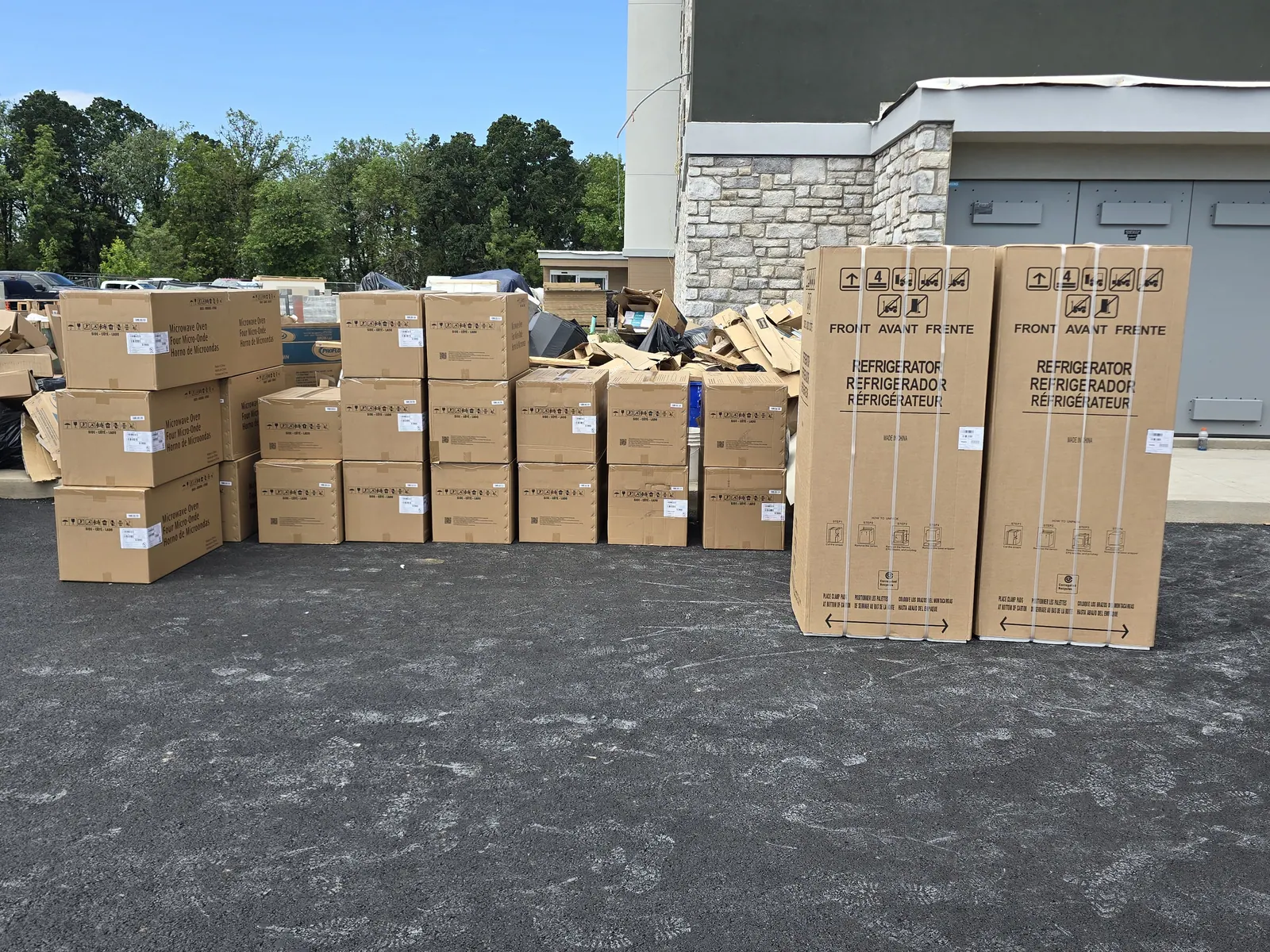
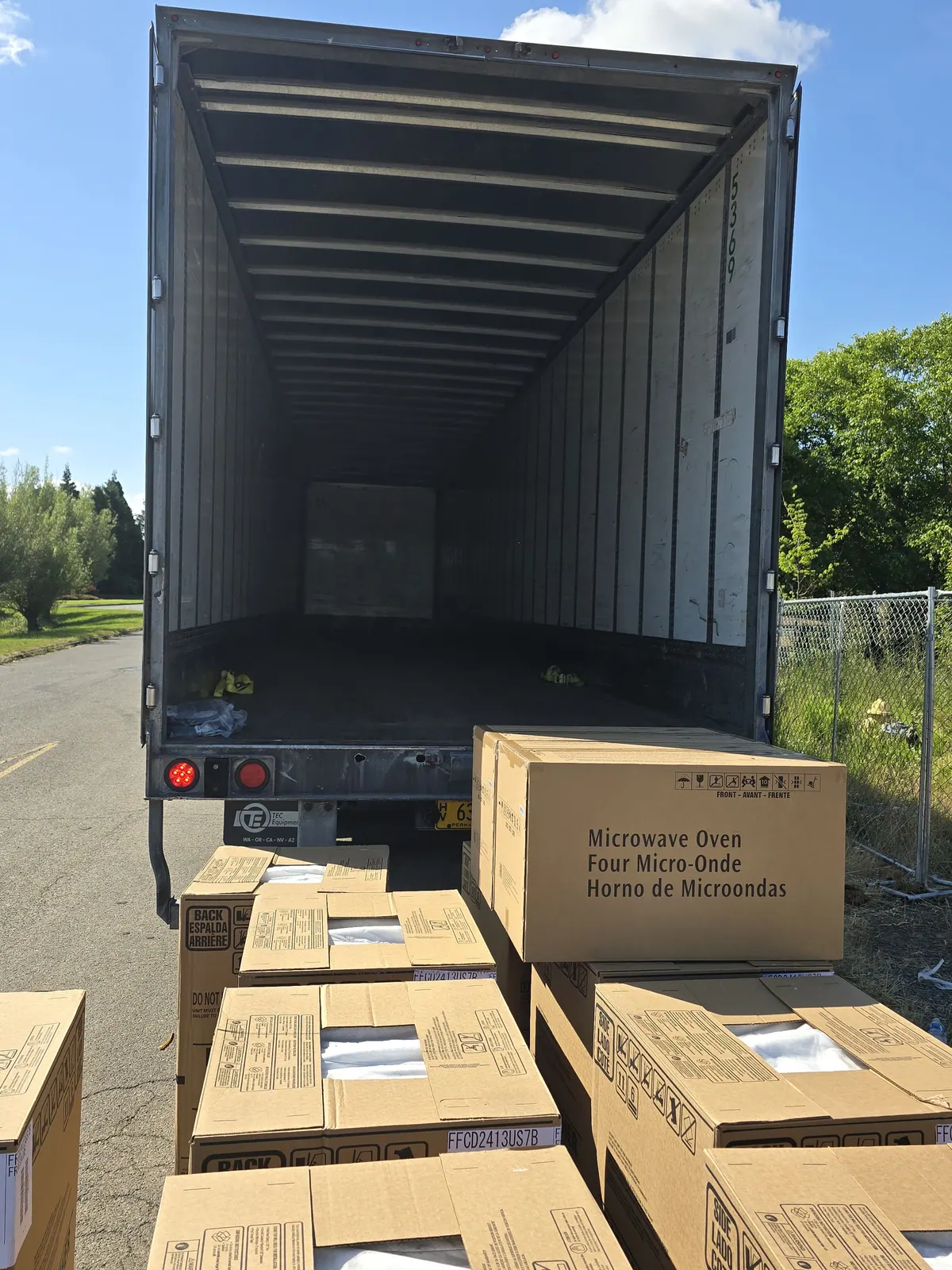
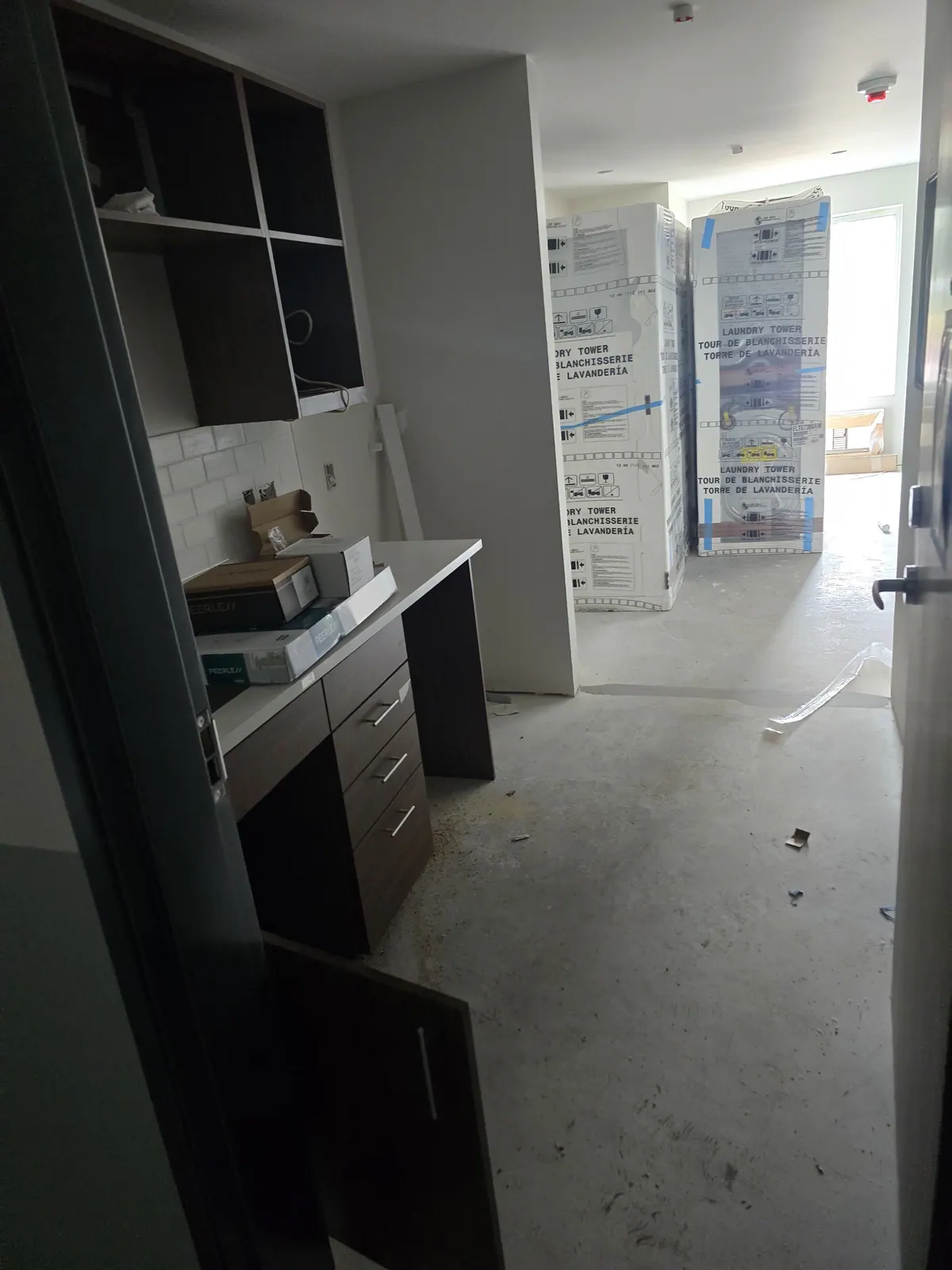
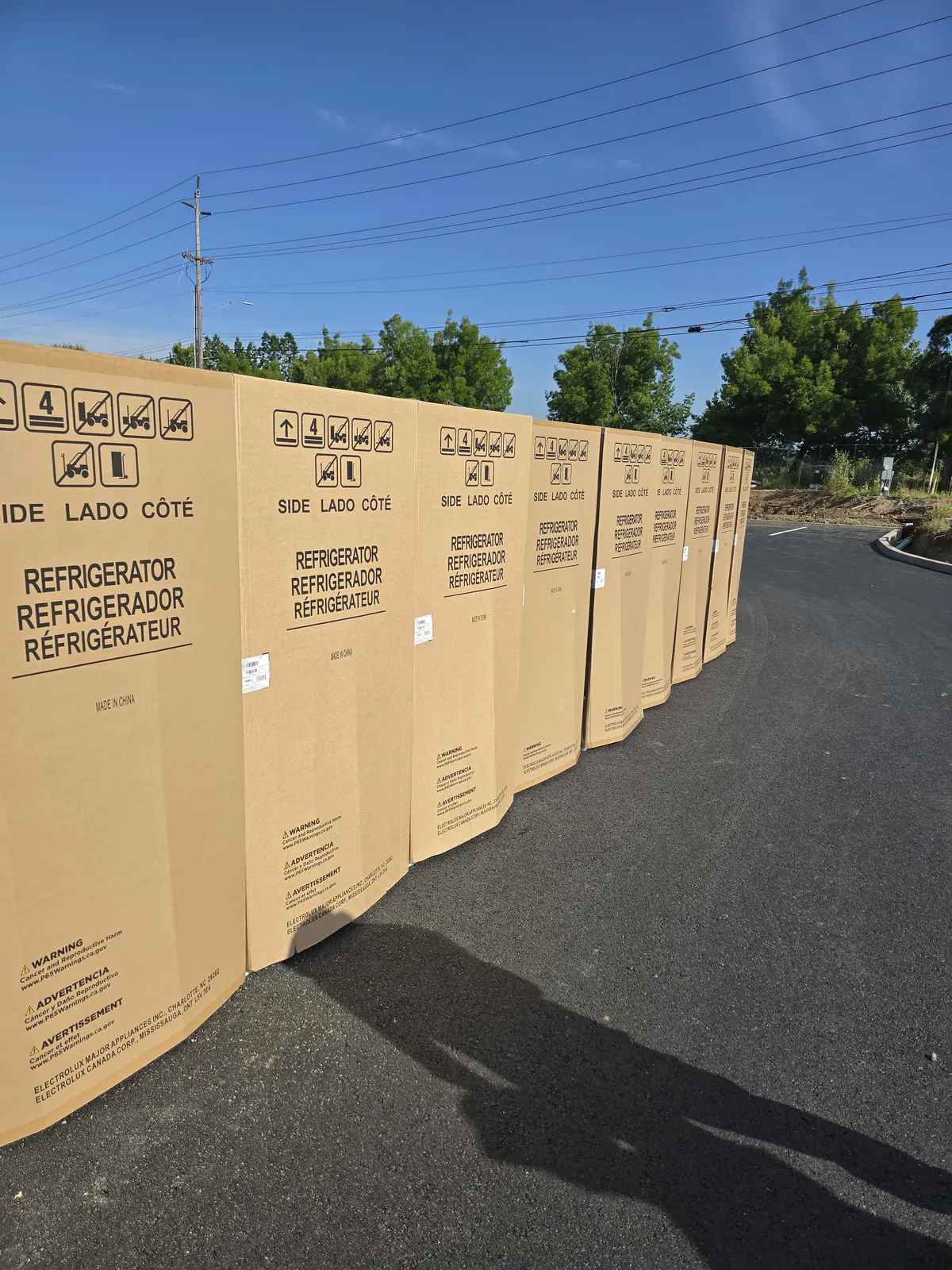
For a hotel refresh or another property project, describe the appliance quantities, models and dimensions, along with the route from the loading or staging area to the intended rooms. A room list and placement sequence help define which units are ready to move and where they belong.
Appliances should be prepared for movement under the relevant manufacturer instructions. Identify water, electrical or gas connections and arrange the appropriate technical preparation separately. Physical handling does not imply plumbing, electrical work, installation or disposal.
If new and existing units are both involved, label them clearly and specify the destination for each. Confirm the moving scope before a delivery or contractor schedule depends on it. Manufacturer guidance also determines any restrictions on transport orientation and return to use.
Work around the building and the people using it
Choose a business contact who can release items, provide access and approve placement decisions. Share loading dock rules, elevator reservations and any areas that remain occupied during the work.
If staff, customers or guests will be present, identify how the work area and route will be kept clear. Requested evening, weekend or staged work needs confirmation against the available crew and the building’s permitted hours.
Make inventory movement easier to follow
Count and label the groups being moved. For repeated items, use room numbers or other identifiers that your receiving team understands. Keep the same references on the source list and destination plan.
Your business remains responsible for its own inventory records and technical readiness. Let us know which items are released for moving and which are waiting on another trade or decision. A clearly bounded work area is easier to schedule than an open ended project description.
Agree on the boundaries before the project begins
Furniture, boxed contents and prepared equipment need to be distinguished from machinery rigging, rack installation and technical systems work. Share unusual handling requirements early so they can be reviewed instead of assumed included.
Packing and applicable materials add to the scope. Heavy or unusual items need individual handling and specialty pricing review. IronAtlas does not provide storage, so on site staging and a storage service should not be treated as the same arrangement.
Before you book
What kinds of commercial moving work can I request?
Send the furniture, boxed contents, office packing or prepared equipment you need moved, with the pickup and destination details. Commercial requests are scoped around the actual items and access rather than a blanket promise to handle every type of business equipment.
Can you help with hotel appliance staging?
Describe the appliances, quantities, models, staging area and final room locations. The physical handling can be reviewed for the project. Technical disconnection, installation and other trade work require separate arrangements.
Do you install or connect the appliances?
Plumbing, electrical work, gas connections and technical installation are not part of the scope described here. Have the appropriate preparation arranged and provide the manufacturer’s transport instructions before the items are moved.
Can you pack an office before relocating it?
Yes. Identify the work areas and contents needing packing, the supplies available and the destination labeling system. Packing and applicable materials should be included in the estimate.
Can a project happen in stages?
Explain the proposed stages, what will be ready in each and the access windows. Crew, transportation and timing need agreement for the actual request. Do not assume a later stage is reserved simply because the first stage is discussed.
Can our business stay open during the move?
Share the active areas and any restrictions affecting staff, customers or guests. The route and sequence need a workable plan. Your business should confirm operating arrangements alongside the agreed moving work.
Can you move items around our property without a truck?
Yes, labor only may fit an internal move. Include all locations, floors and carrying routes, along with item details. The service minimum and any specialty review still apply.
Does commercial moving include storage or disposal?
IronAtlas does not provide storage. Disposal is not assumed to be part of a moving request. Identify an agreed destination for every item and discuss any additional work before it is included.